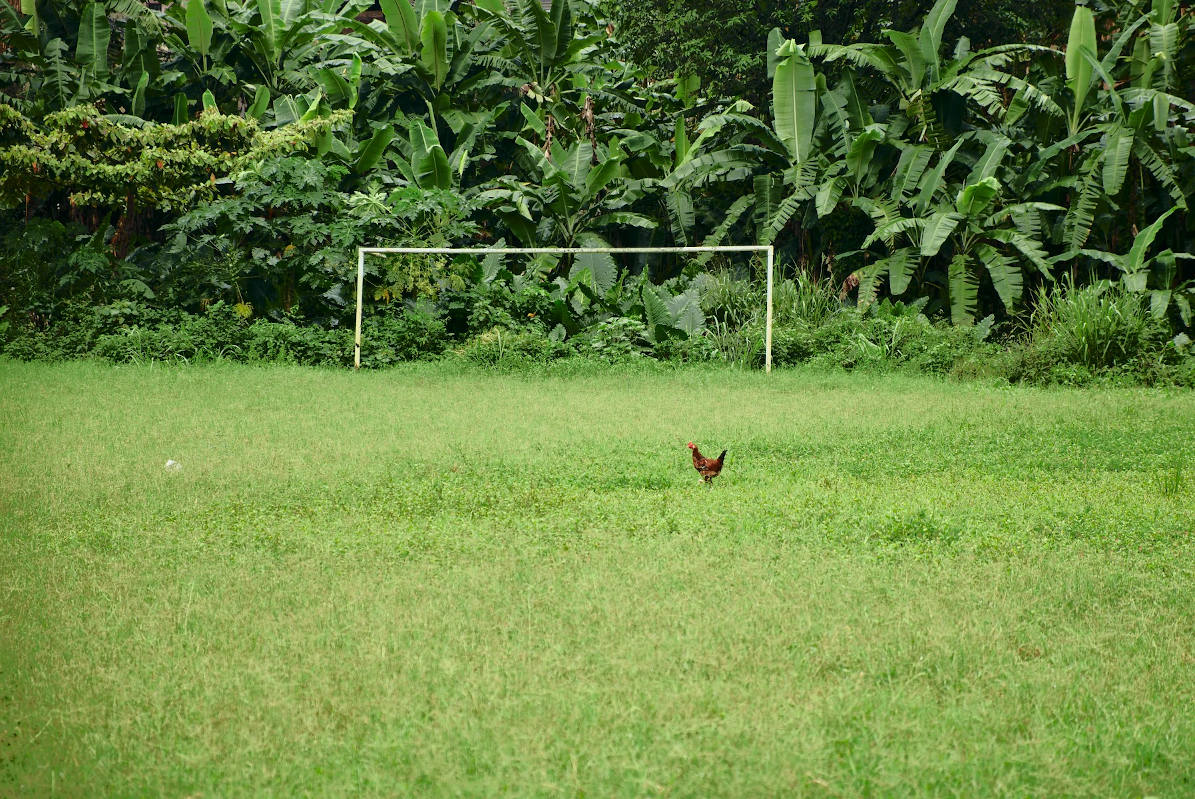
São Tomé is small luscious island dropped over the equator, just outside the Atlantic coast of Africa, and kind of left there forgotten. Along with the even smaller Príncipe island form the second smallest country in Africa, one the most don’t know it even exists. It’s a Jurassic Park island, a green mountain rising from ocean, with very thick and dense tropical forest covering most of its square meters, going all the way down to the to the breaking waves in the small white sand beaches.
It was part of this tropical forest that, at some of its history, was cleared to make room for intensive plantations of cocoa and coffee, the “roças”, and thousands were taken from mainland to work on them, to feed its increasing production. At its peak dozens of these “roças” were operating, some even having small railways connecting them, but eventually almost all collapsed. Nowadays some are totally abandoned and taken over by nature, most are just inhabited, nearly all are suspended in decay, some beyond recovery.
Today life is simple and down to earth, and it happens mostly along the coast, sprawling from the capital until last small fishing village before the road ends. It happens slowly, without deadlines, taking things as they come by and not worrying too much. That laid back feeling is exactly what leve-leve is.
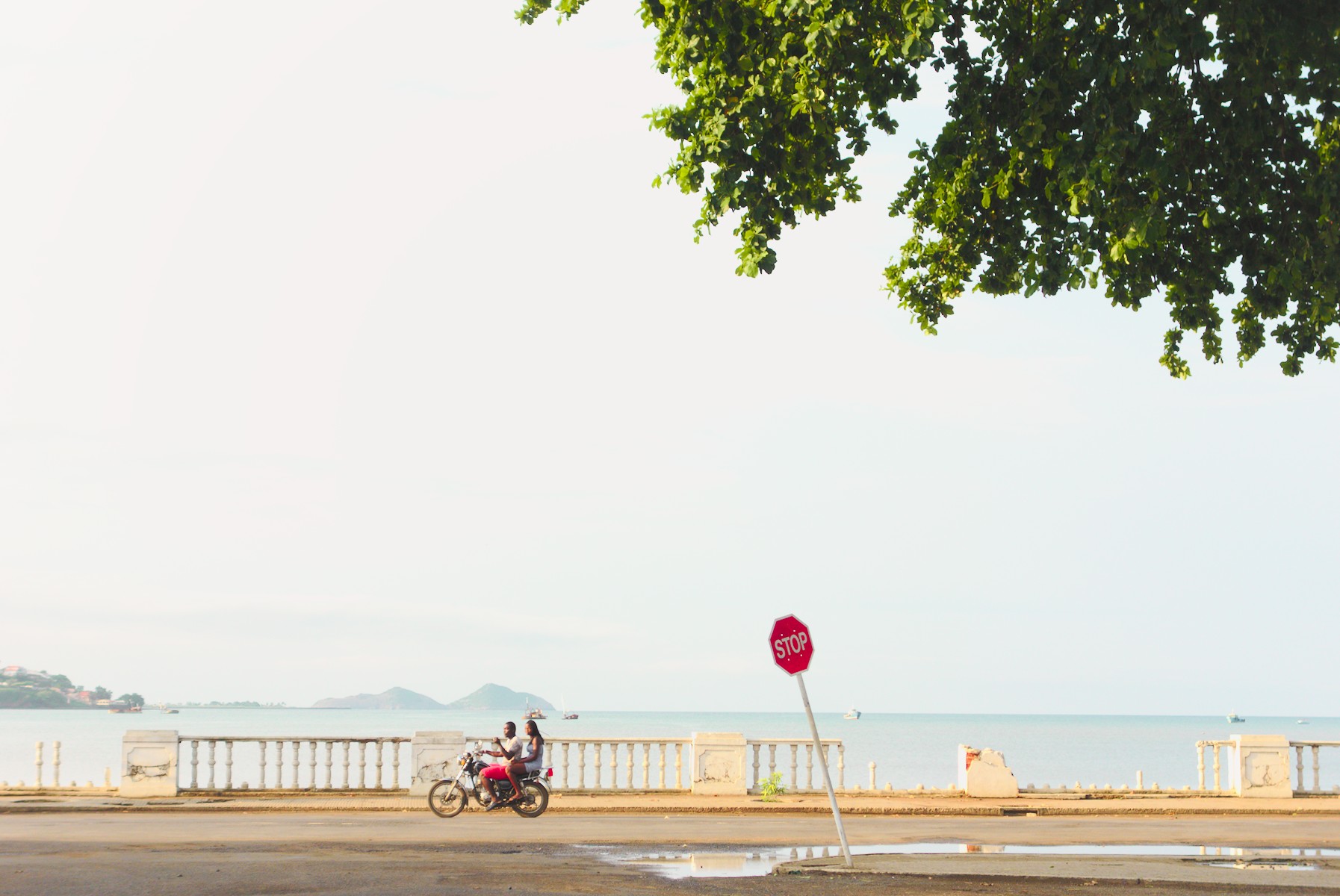 The long seafront avenue that runs along the city of São tomé, with lovely end of day views to the Ana Chaves Bay.
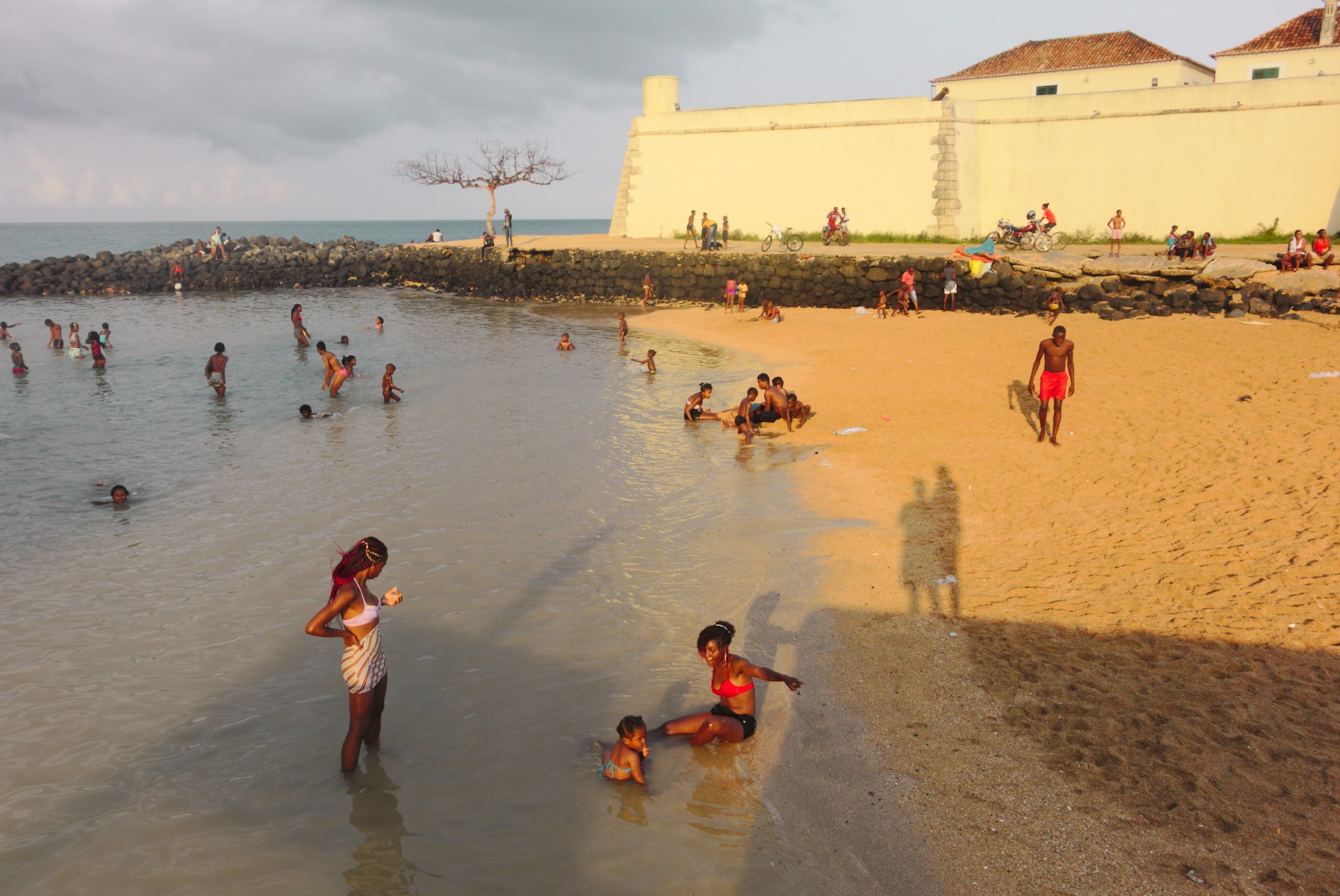 Weekends, specially Sundays, are the busiest beach days everywhere. And in those days the tiny beach by São Sebastião fort gets quite crowded, almost like as if the small city ends up there.â €
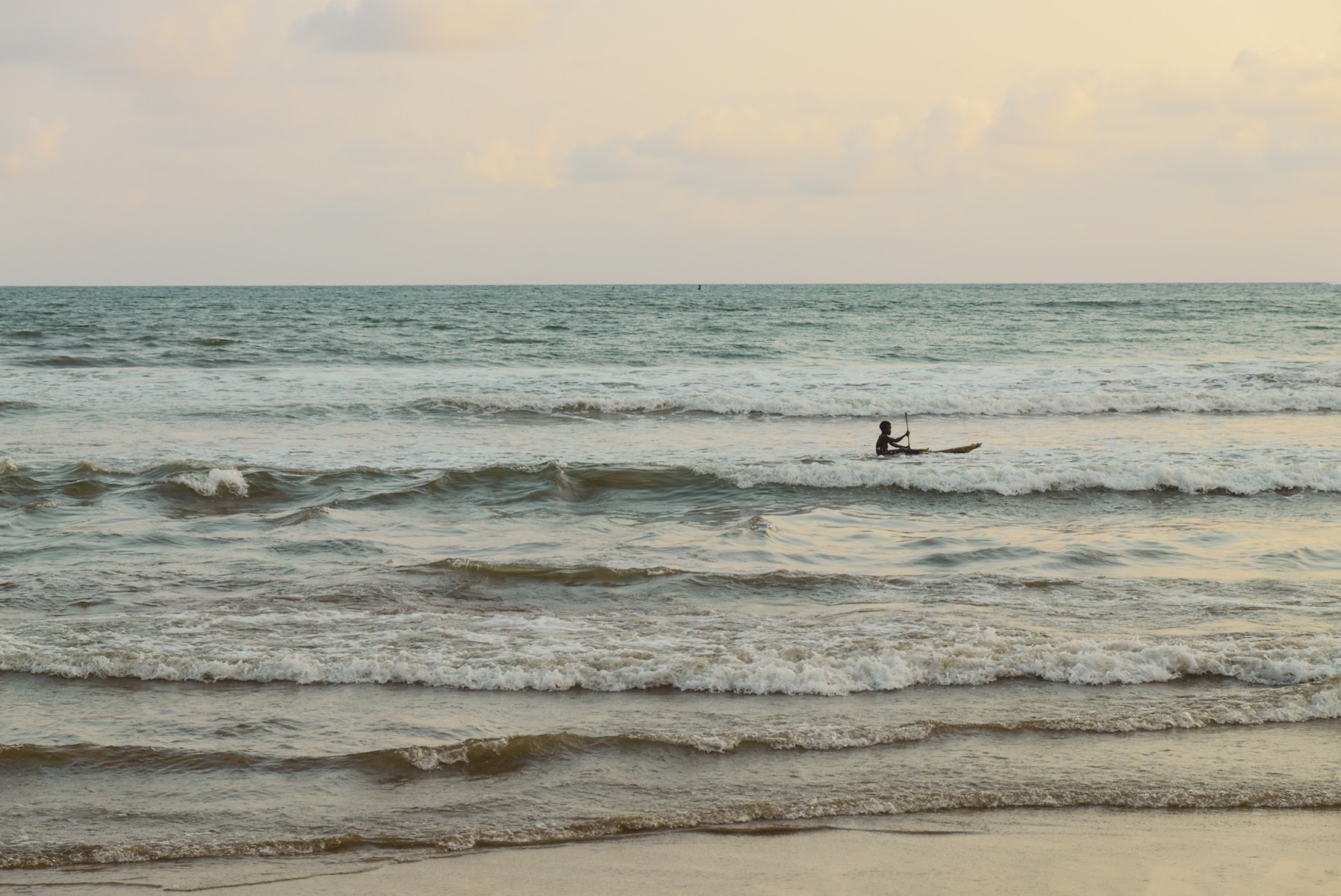 Young boy going through the waves with his small canoe by the mouth of Malanza river, in the south of the island.â €
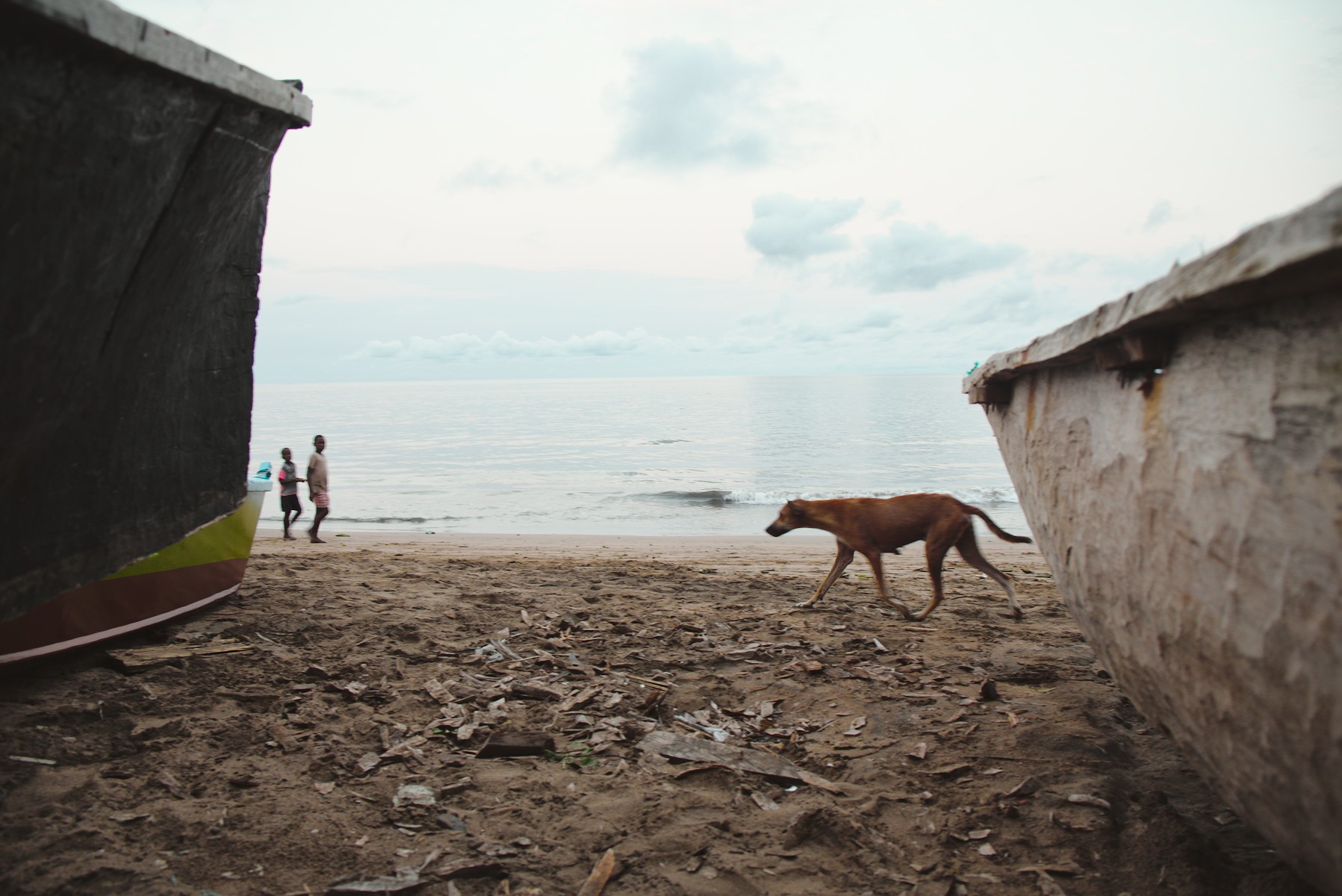 Fishing boats in a beach outside the city of São Tomé after returning from the sea.
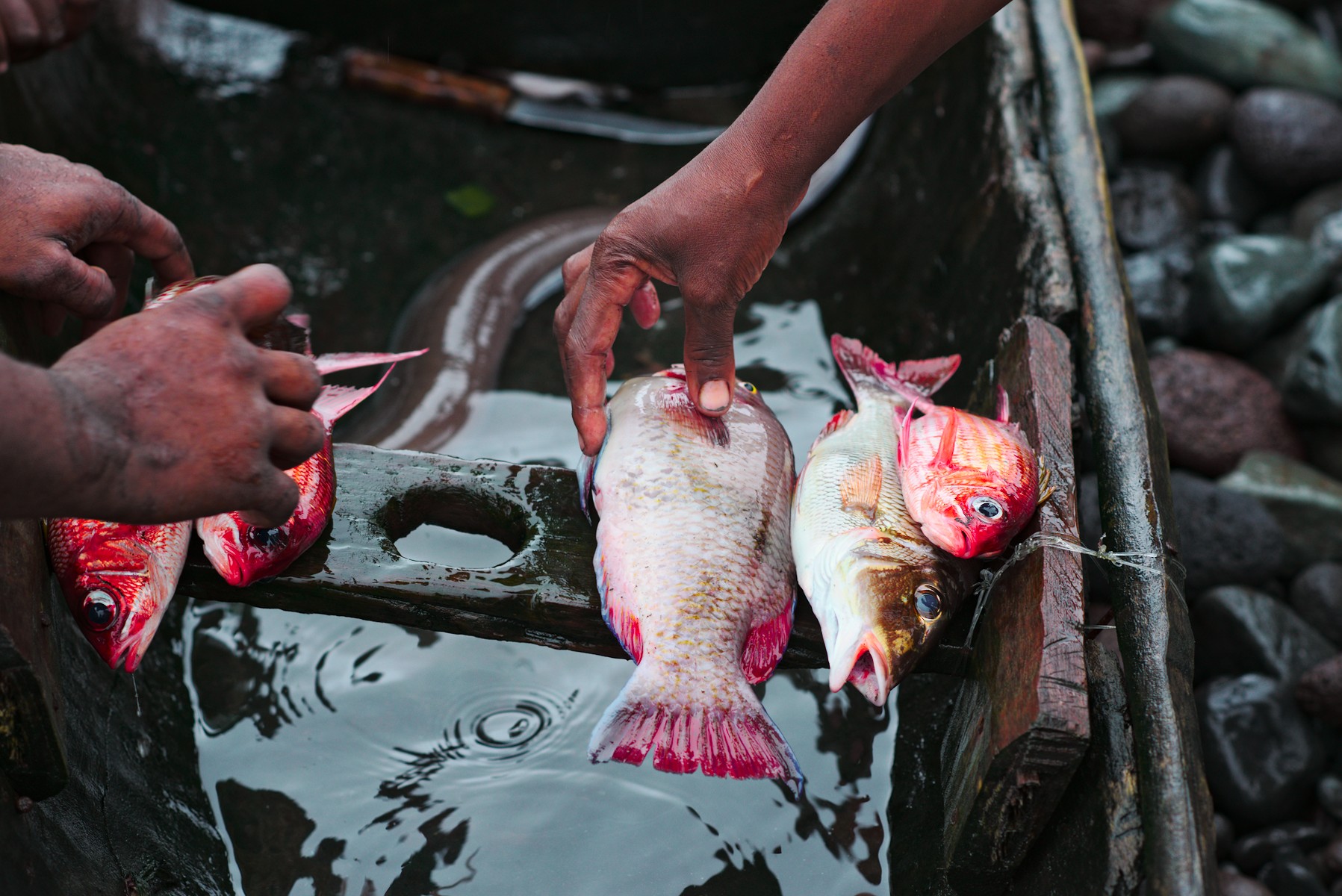 Fishermen selling the freshly caught fish right in the boats in the beach.
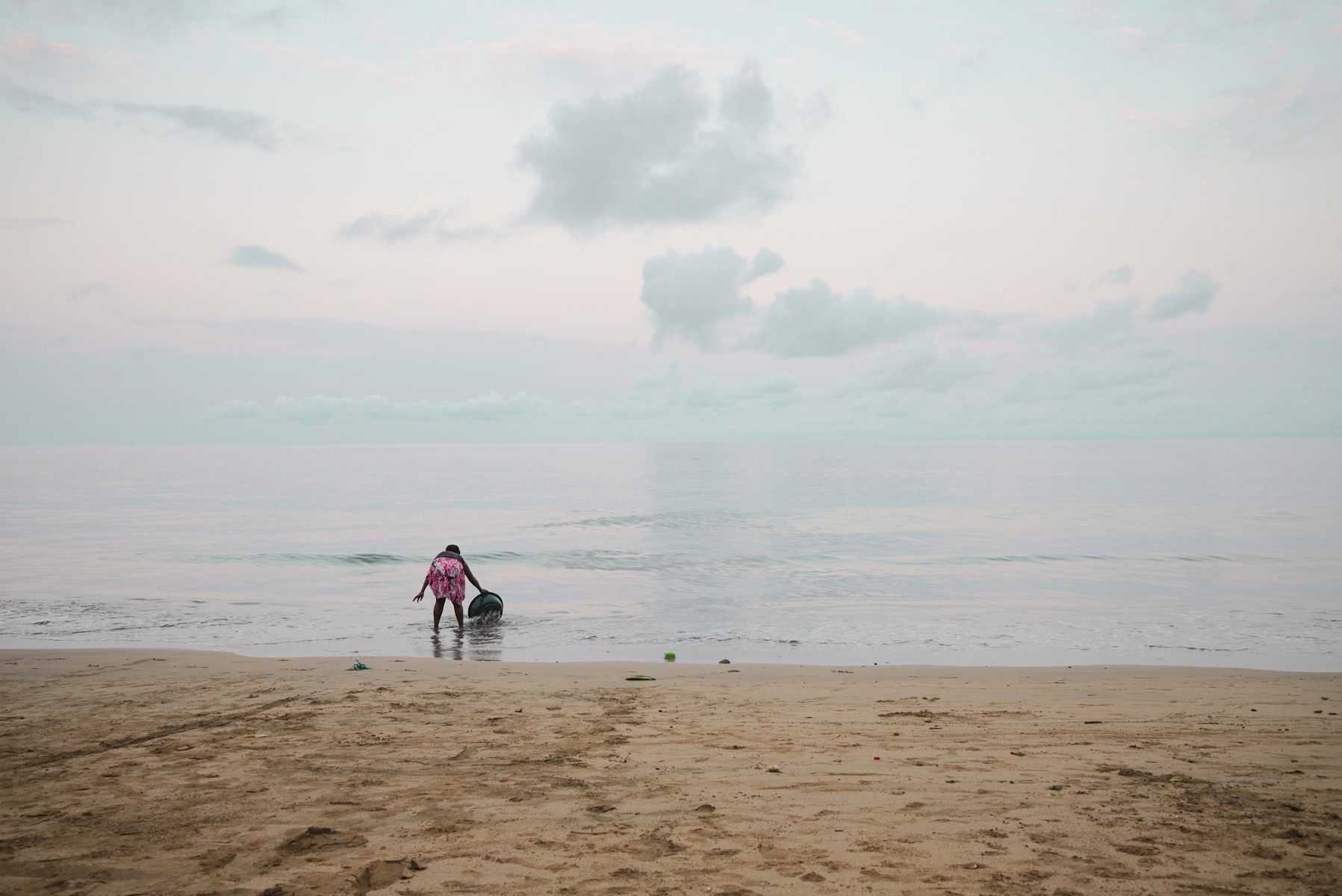 At the end of the afternoon, after the fishing boats returned from the sea and all fish has been sold, the fishy bowls are washed in the waves.
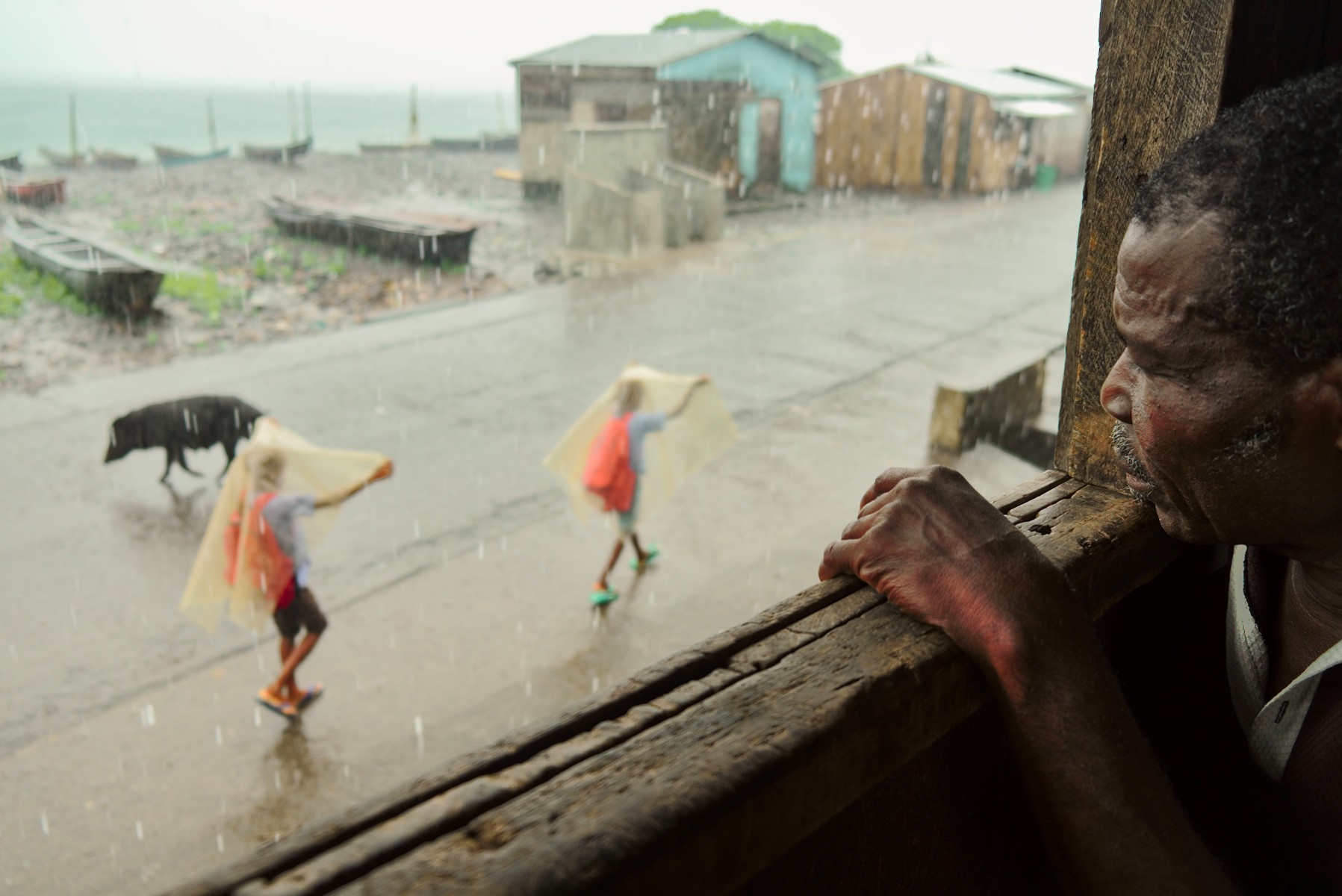 Children returning from school, caught by a tropical downpour.
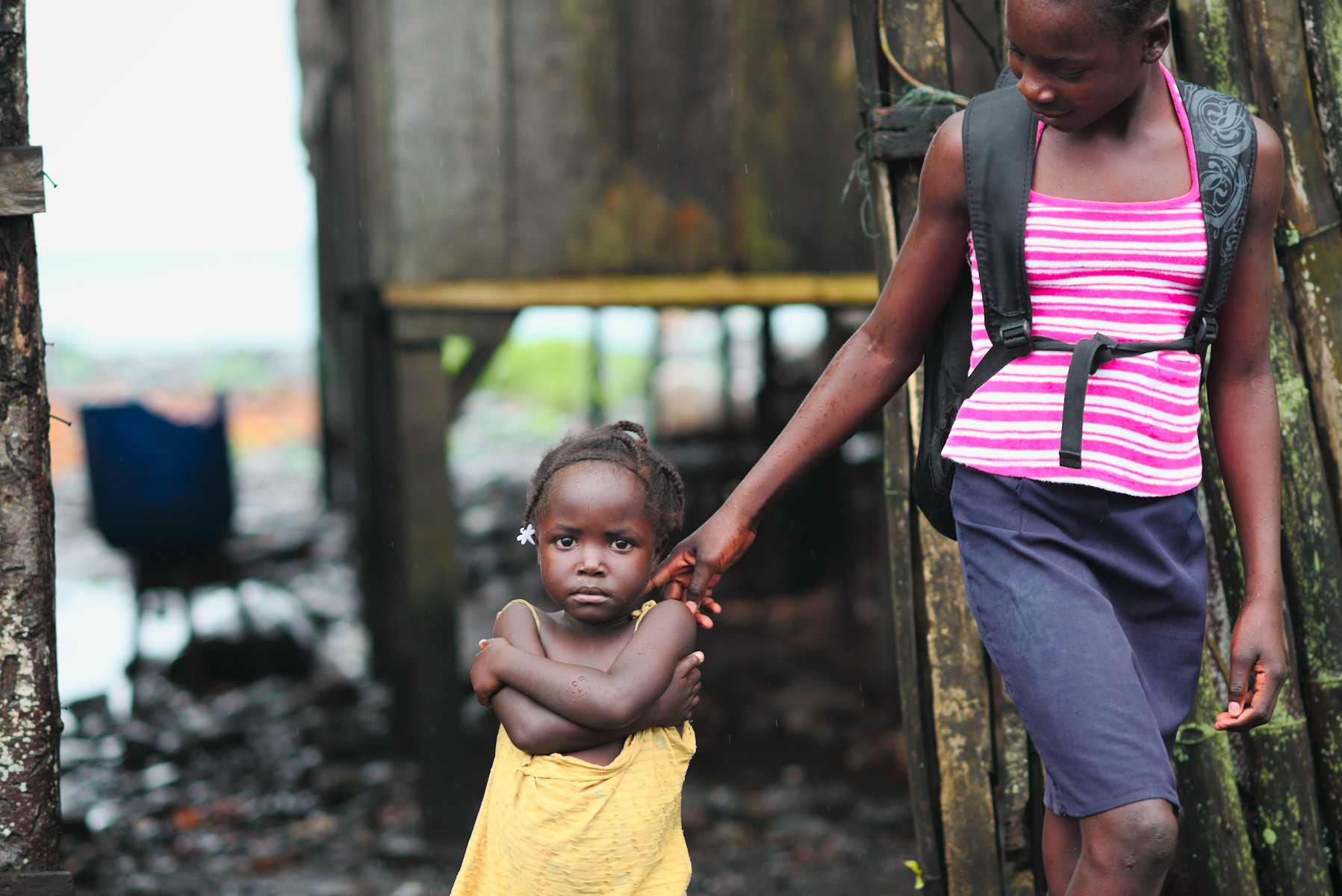 Mother and her curious daughter at Santa Catarina, the last of the fishing villages in the north shore before the road ends
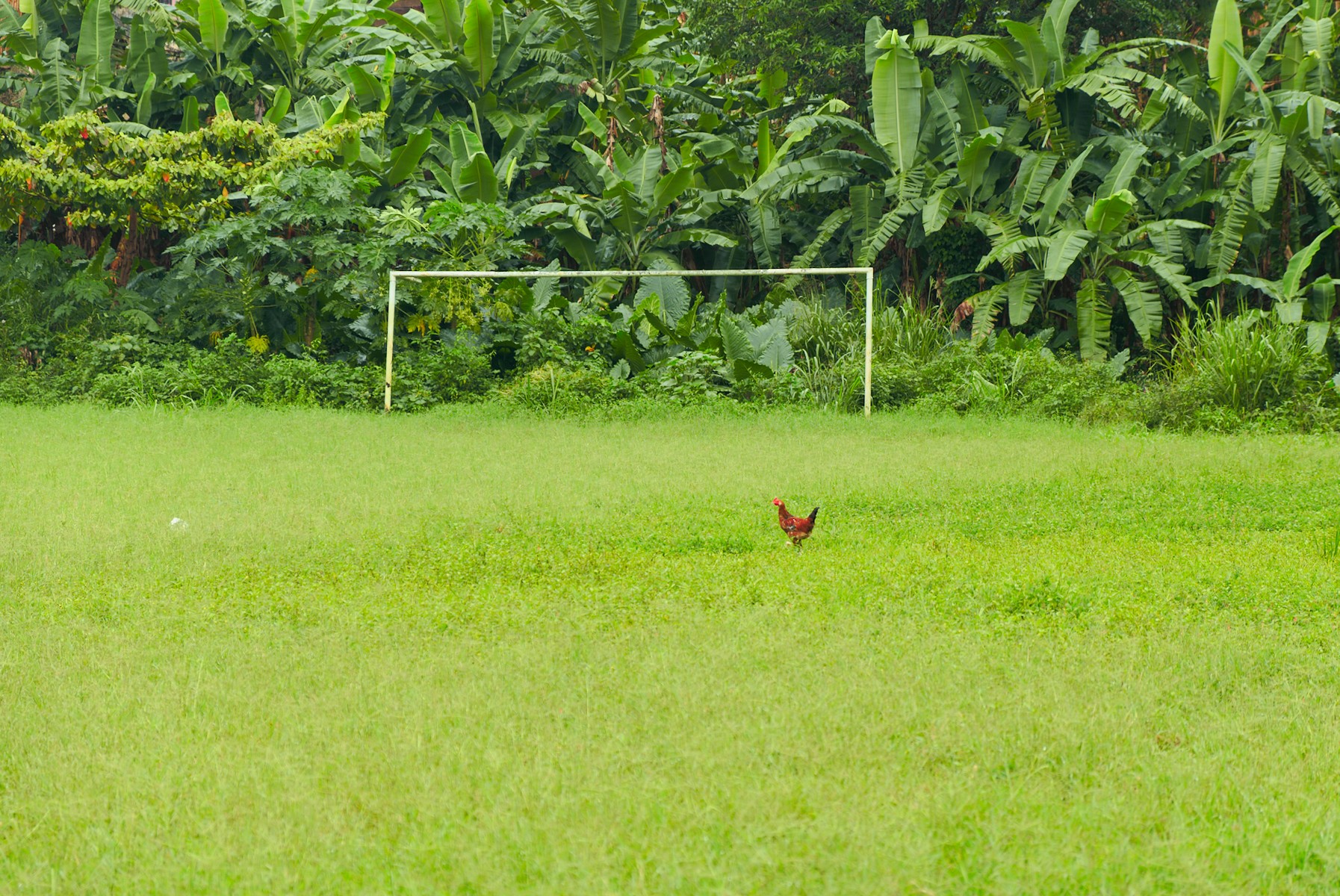 Not the crowd you expect to see in a football field, even one at a big plantation like Roça Agostinho Neto, one of the biggest roças in the island.
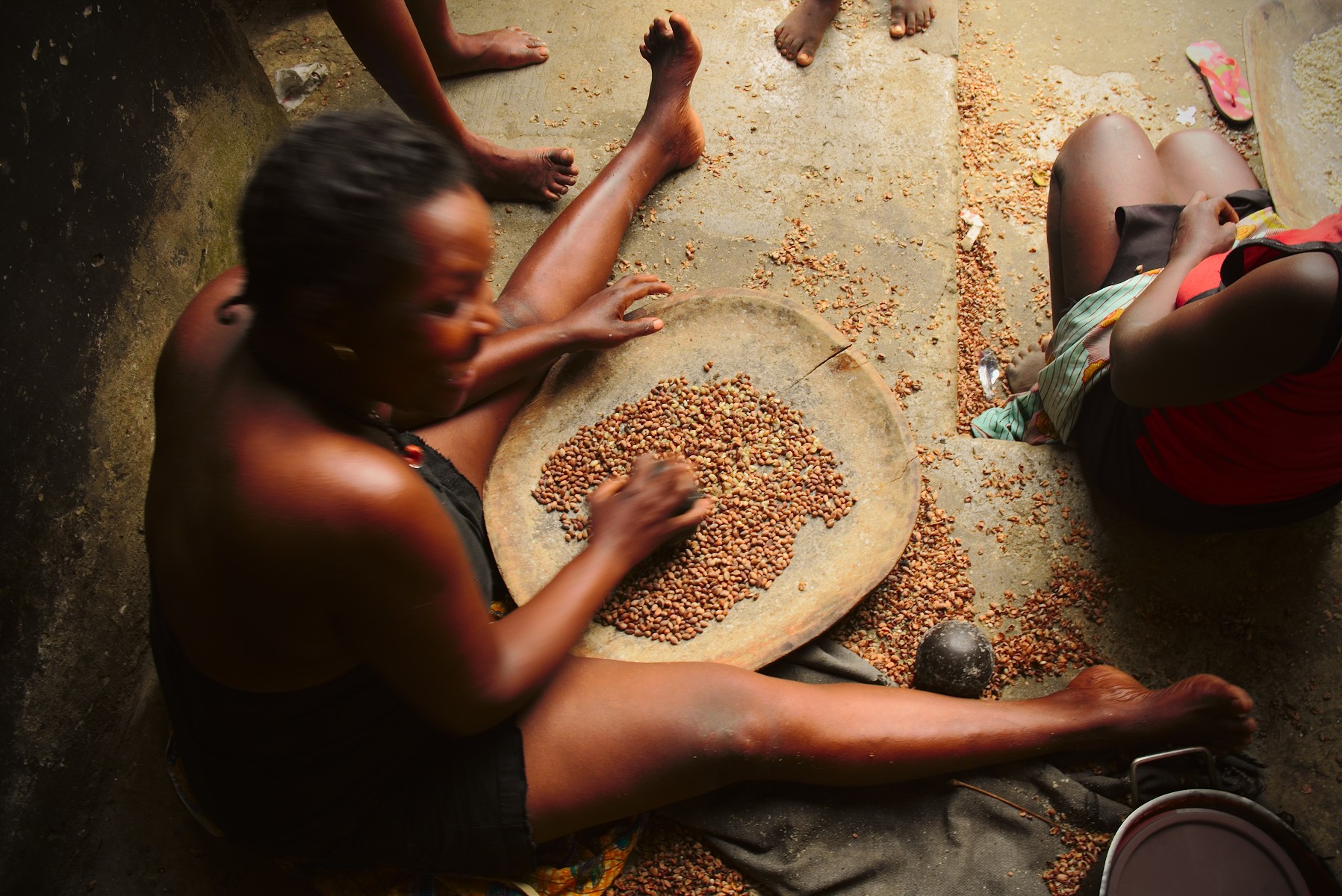 While the men go the to fields, often deep into the jungle, or to the sea, and children go to school, the women remain close to their homes and the roça, busy with everyday chores.â €
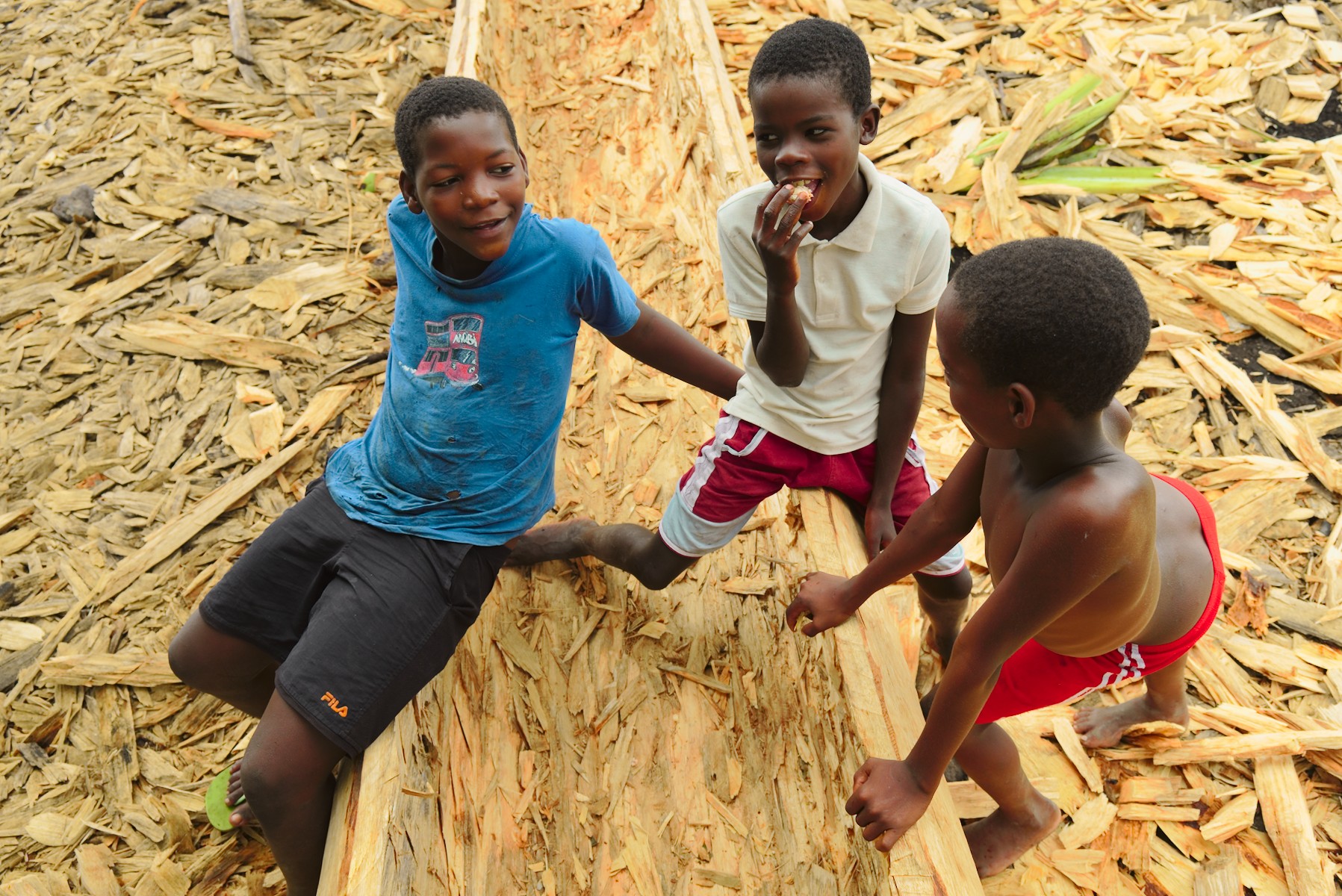 Boys hanging out in an unfinished and unattended canoe. â €
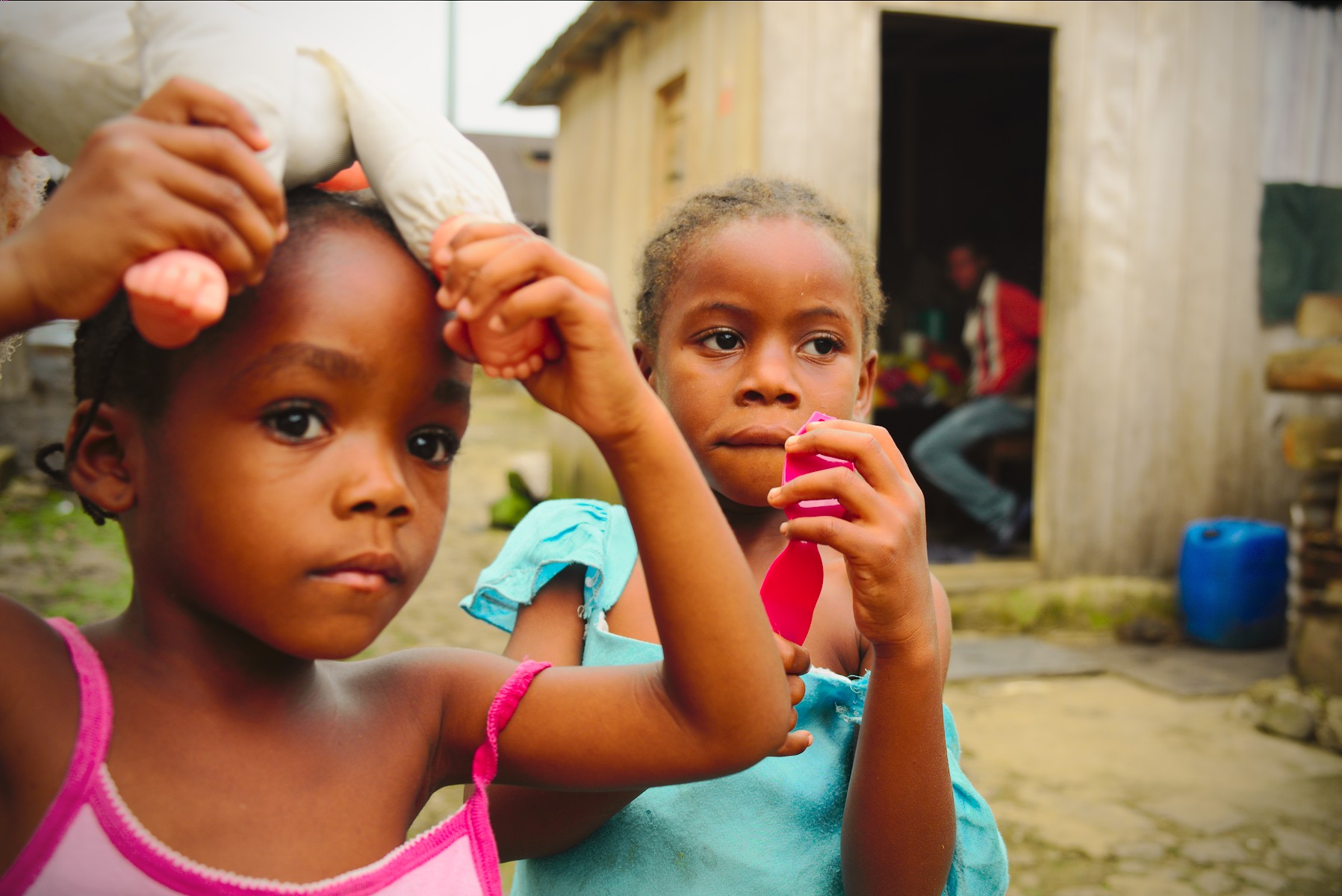 Playing in the streets of Roça Monte Café, probably looking what the other girls in their group were up to.
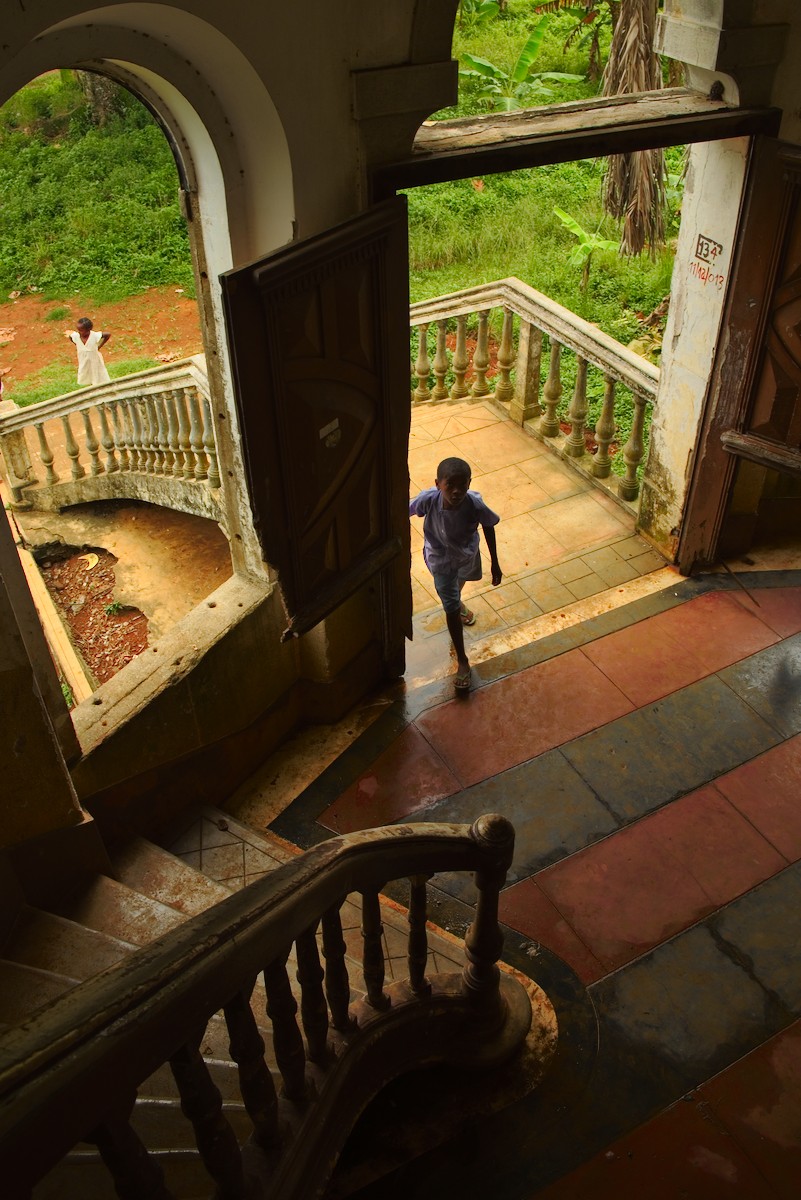 Often the bigger or most sumptuous buildings of a “roça” are the ones with most decay, the workers houses often were the first to be occupied. On the other hand these were, or still are, locked away from little conservation it could have.
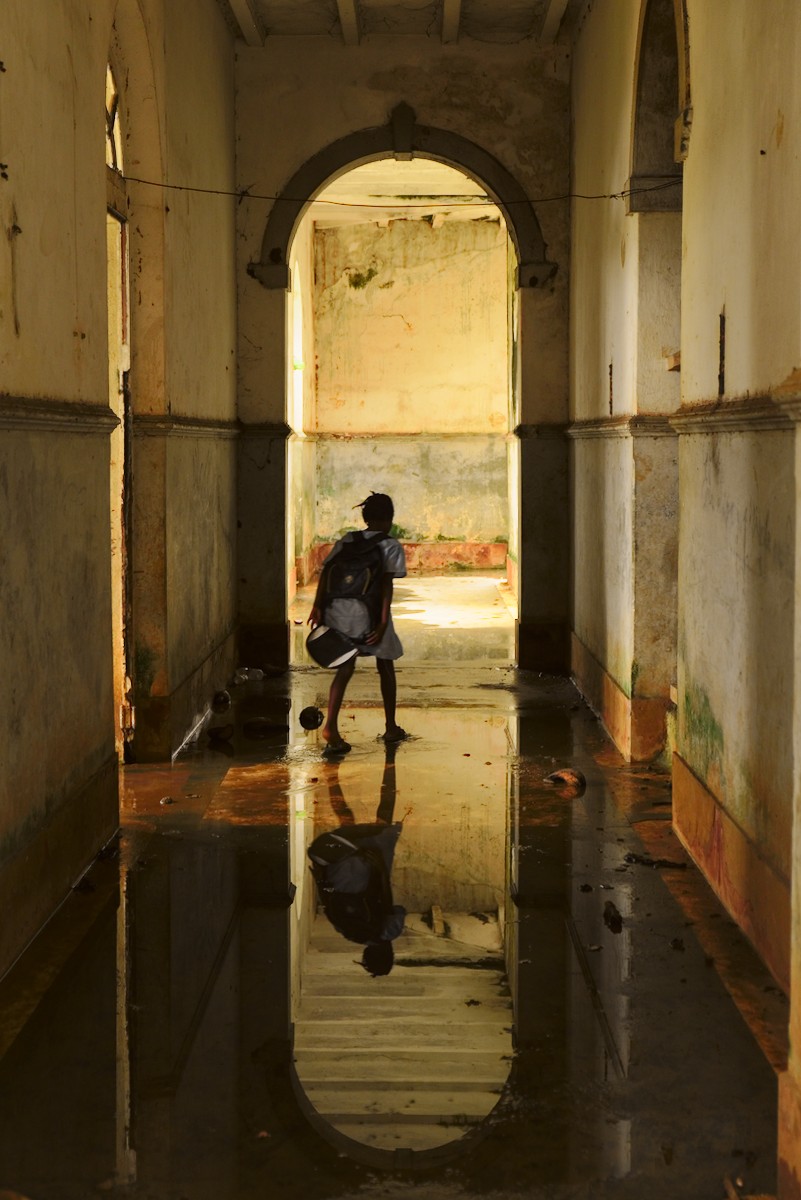 Event the apparently derelict and abandoned buildings end up being occupied and turned into homes, at least until that’s possible. Here a young girl returns from school, while avoiding the water that has invaded the ground floor of the old roça Ãgua-Izé hospital .
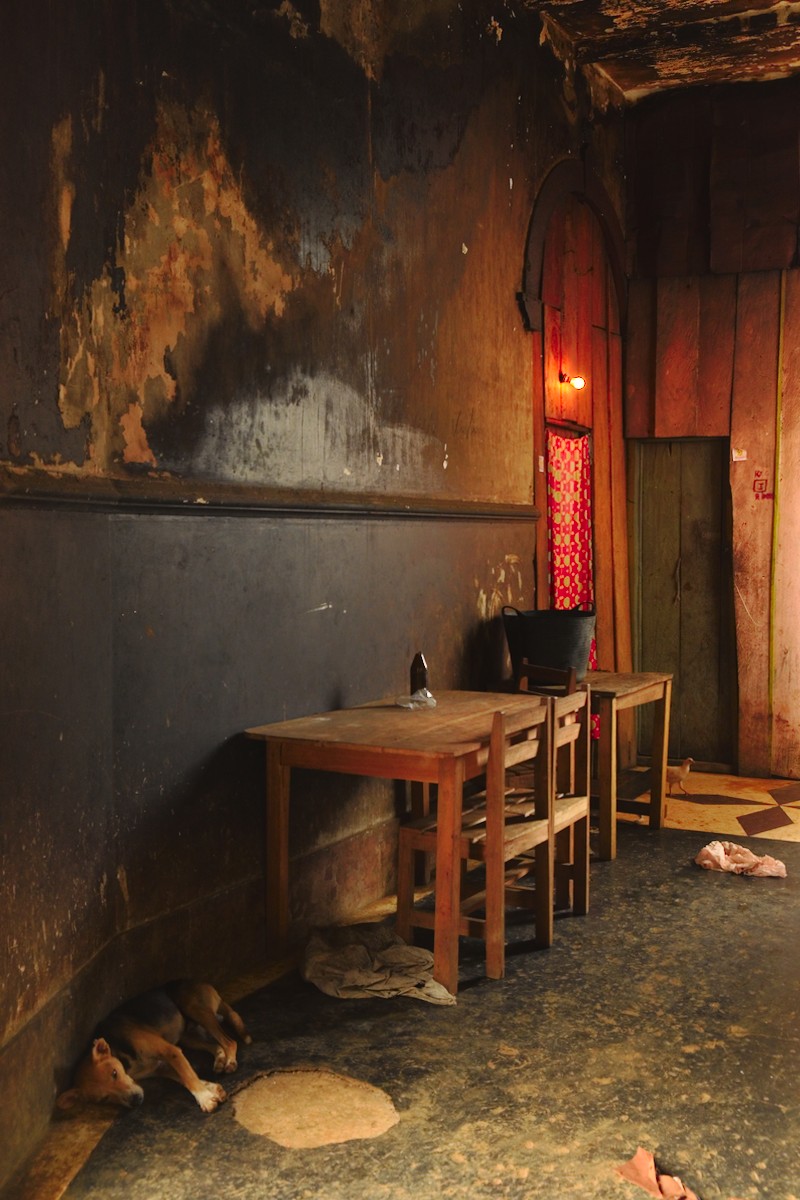 This could have been a consulting room or a ward many decades ago, now it’s a kitchen in one of the homes inside the old hospital building at Roça Ãgua-Izé.
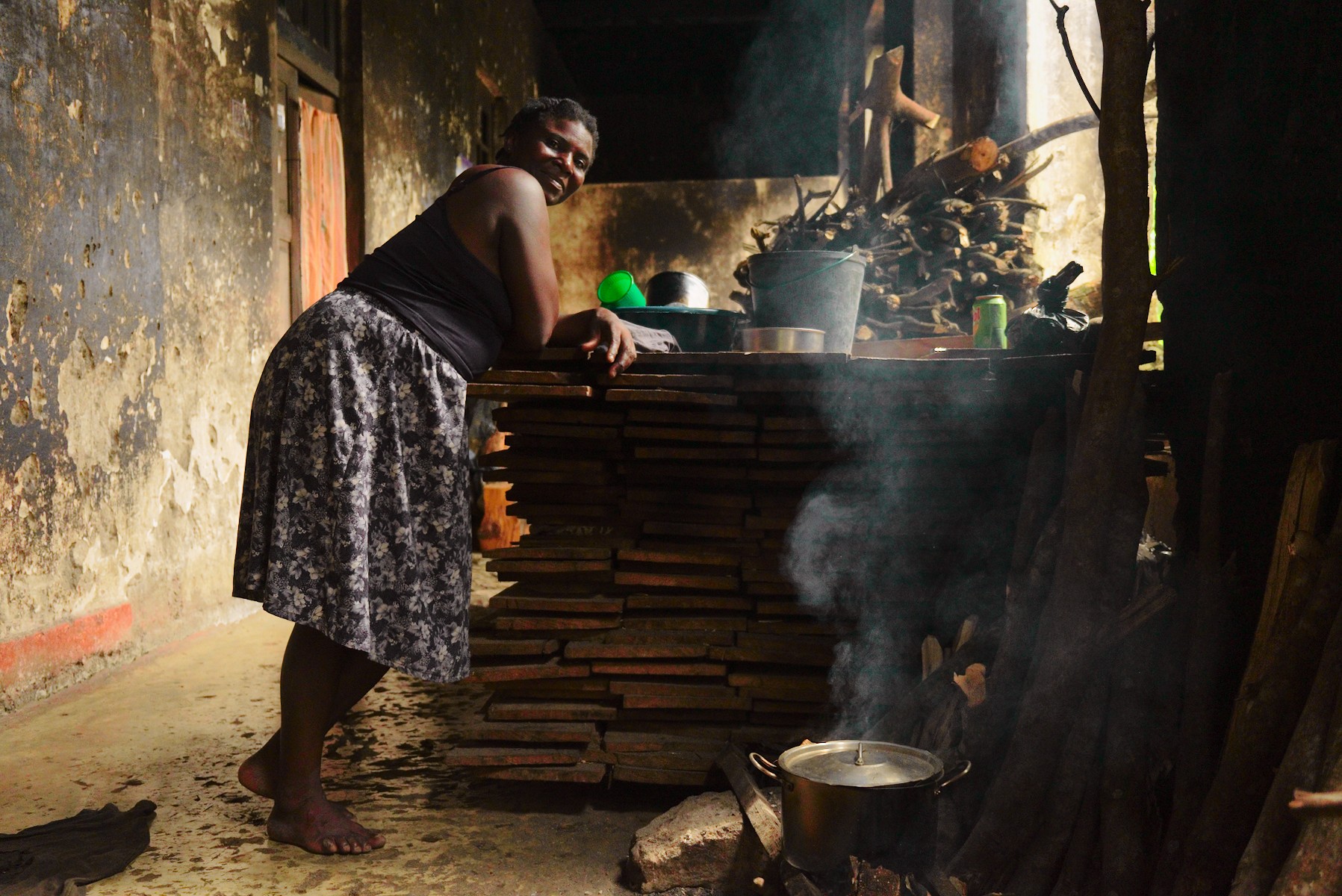 Some small-talk while waiting for lunch to be cooked at Roça Ribeira Peixe.â €
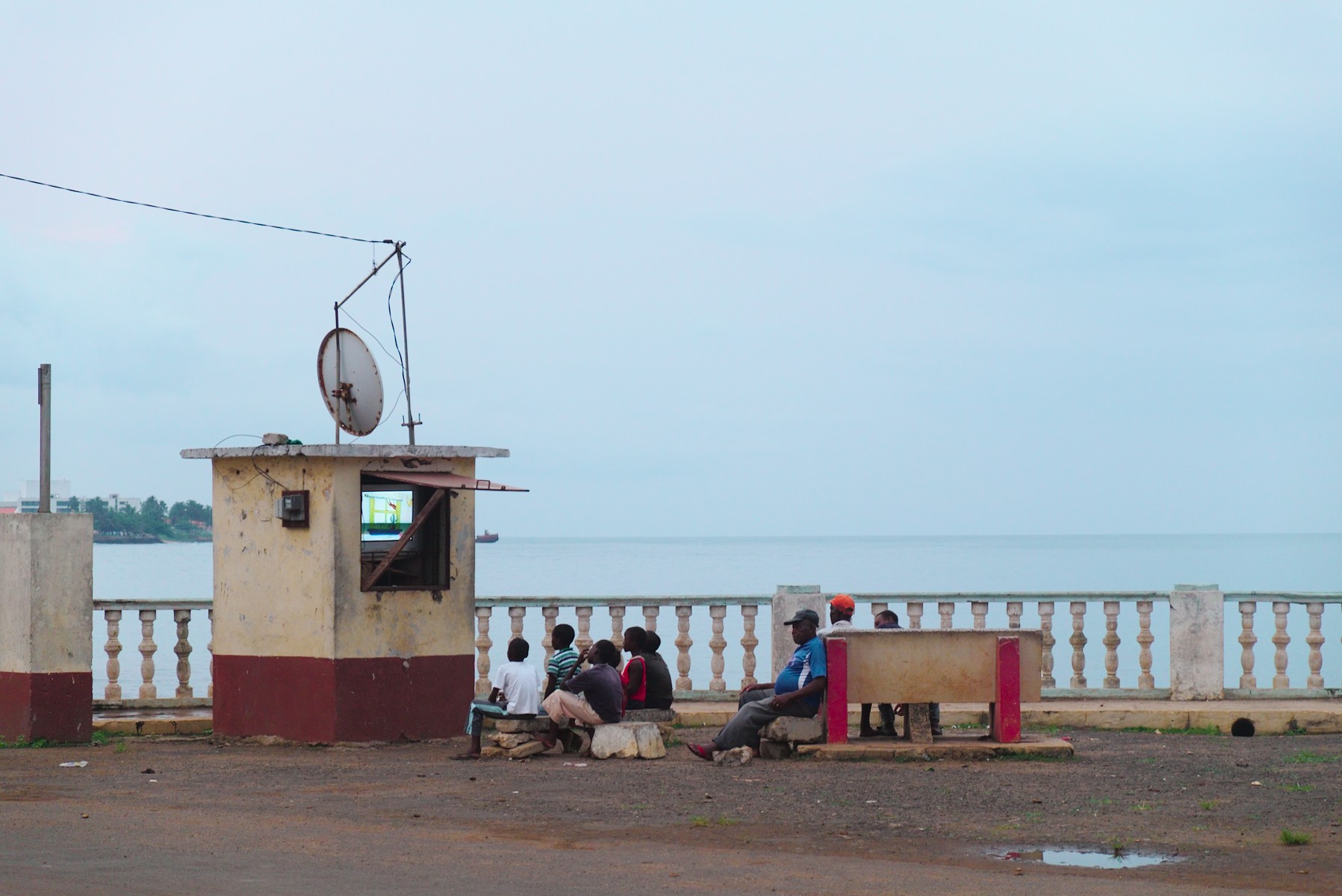 Communal, public televisions are frequent in São Tomé, more often in rural areas but even in places like here, just outside the capital. And during cartoon hour it can become very crowded.
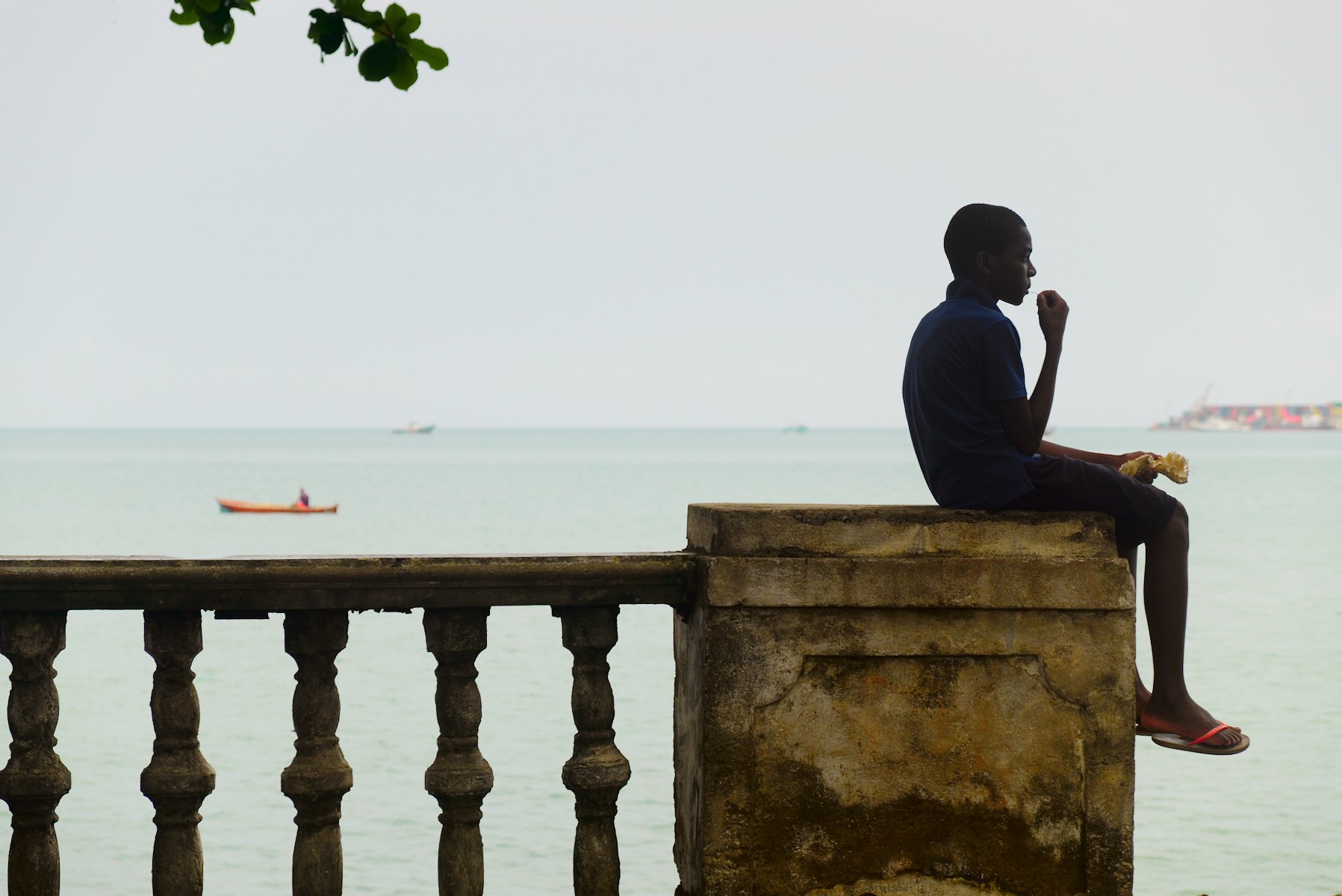 Calmly eating jackfruit by the Ana Chaves Bay, in the city of São Tomé.